better for remote work, Lenovo vs HP
In today’s digital-centric era, remote work has become an essential part of many professionals’ lives, requiring reliable, high-performance laptops that support productivity, seamless communication, and multitasking. Choosing between Lenovo vs HP for remote work depends on several factors, including performance, battery life, build quality, and overall user experience. As both brands offer a wide range of laptops catering to different needs, understanding their strengths and weaknesses can help remote workers make an informed decision.
Lenovo has built a strong reputation in the business and enterprise sectors, with its ThinkPad and IdeaPad series being popular choices for professionals. The ThinkPad series, in particular, is known for its durable build, exceptional keyboard quality, and long battery life, making it ideal for remote workers who spend long hours typing and attending virtual meetings. Lenovo’s high-resolution displays and anti-glare technology enhance the user experience, reducing eye strain during extended use. Additionally, Lenovo’s security features, such as fingerprint sensors and built-in privacy shutters, provide an extra layer of protection for those handling sensitive work data.
HP also offers excellent options for remote work, with its EliteBook, Spectre, and Envy series standing out for their sleek designs and powerful hardware. The EliteBook series is particularly well-suited for business professionals, offering strong security features, reliable performance, and premium build quality. HP’s Spectre and Envy models appeal to remote workers who need a balance between aesthetics and functionality, featuring high-resolution touchscreens and lightweight designs for easy portability. HP’s strong emphasis on display quality ensures vibrant colors and sharp visuals, making video calls and content creation more enjoyable.
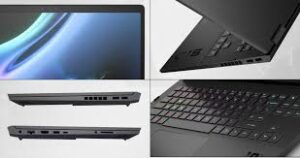
Which laptop is better for remote work, Lenovo vs HP?
When comparing Lenovo vs HP for remote work, battery life plays a crucial role in determining overall convenience. Lenovo’s ThinkPad and Yoga series are known for their impressive battery longevity, allowing professionals to work for extended periods without constantly searching for a power outlet. lenovo vs hp high-end models also offer good battery performance, but some mid-range models may require frequent charging, which can be a drawback for remote workers who need all-day usability. Lenovo’s power efficiency, combined with its rapid charging technology, makes it a more reliable choice for those who need uninterrupted productivity.
Another key factor to consider is software compatibility and system stability. Lenovo’s business-oriented laptops are optimized for professional software and collaboration tools, ensuring smooth performance across multiple applications. HP also provides well-optimized systems, but some users have reported occasional software glitches and bloatware that may affect performance. Lenovo’s ability to maintain system stability, especially in its professional-grade laptops, gives it an edge for remote work environments where efficiency is a priority.
Overall, Lenovo offers a slight advantage over HP for remote work due to its durability, strong battery life, and business-focused features. While HP provides stylish designs and high-quality displays, Lenovo’s reliability and enterprise-level security make it the preferred choice for professionals who need a dependable work machine. Choosing between these two brands ultimately depends on individual preferences, but for those seeking a long-term, productivity-focused laptop, Lenovo remains a top contender.