exchange for AI agents support open-source AI
As artificial intelligence becomes increasingly integrated into digital ecosystems, platforms designed to facilitate access to AI tools—commonly known as an exchange for AI agents—are gaining prominence. These platforms act as digital marketplaces where users can interact with, deploy, or purchase services from a wide variety of AI agents, each designed to perform specific tasks. One of the key questions raised by developers and users alike is: Does an exchange for AI agents support open-source AI? The answer to this depends on the structure and philosophy of the individual platform, but many of them are increasingly embracing open-source contributions.
Open-source AI refers to artificial intelligence models, tools, or frameworks whose source code is freely available for anyone to inspect, modify, and use. Supporting open-source AI on an exchange for AI agents allows for greater transparency, community collaboration, and innovation. Many developers prefer to work with open-source models because they can be audited for fairness, security, and reliability. Moreover, open-source projects are typically supported by active communities that contribute improvements and updates, making them robust and adaptable over time.
On some exchanges for AI agents, open-source AI plays a central role. These platforms encourage developers to upload their models and tools under open-source licenses, which allows users not only to use the services but also to understand how the agents work. This openness increases user trust and promotes ethical AI usage by allowing transparency in algorithmic decision-making. Users can often filter or select agents based on licensing terms, which gives them more control over the tools they integrate into their workflows.
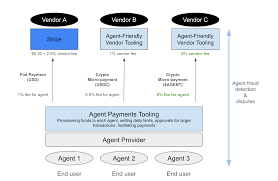
Does an exchange for AI agents support open-source AI?
Furthermore, when an exchange for AI agents supports open-source AI, it usually includes features that help developers manage their projects effectively. These may include GitHub integration, API documentation, performance metrics, and community ratings. By creating an environment that facilitates open collaboration and continuous improvement, these platforms act as incubators for cutting-edge innovation in AI technology.
However, not all exchanges prioritize open-source AI. Some focus on commercial models developed by private companies or individuals who prefer to keep their code proprietary. These exchanges often position themselves as premium marketplaces, offering exclusive access to high-performance models that may not be available elsewhere. In such cases, the focus may be more on monetization and intellectual property protection rather than open collaboration.
Still, the growing popularity of open-source AI cannot be ignored. As developers and organizations seek more ethical, transparent, and cost-effective AI solutions, the demand for platforms that support and distribute open-source agents is likely to increase. Many exchanges for AI agents are beginning to recognize this trend and are incorporating features that accommodate open-source models alongside proprietary ones, creating a hybrid marketplace that caters to both open and closed ecosystems.
In conclusion, while not universal, support for open-source AI is becoming more common on an exchange for AI agents. Platforms that embrace open-source models often benefit from increased trust, community engagement, and faster innovation. For users and developers who value transparency and collaboration, choosing an exchange that supports open-source AI can offer both technical advantages and ethical reassurance.